


The Social Media Ban Cannot Be the End of the Conversation. It Should Be the Start.

The UK Government’s announcement of a proposed social media ban for under-16s has sparked exactly the kind of debate we should be having.

For some, it is a long overdue intervention to protect children from addictive platforms, harmful content, bullying, comparison, online pressure and the quiet erosion of childhood. For others, it risks being too blunt, too difficult to enforce, and too focused on restriction rather than education, design, accountability and support.
Both views matter. Because whatever side of the debate people sit on, one thing feels increasingly difficult to ignore: the relationship between children, technology, health and daily life has changed dramatically. Childhood now plays out across two worlds. One is physical, social, local and rooted in places, friendships, movement, play, school, sport, nature and community. The other is digital, immediate, algorithmic, always available and often impossible to switch off.
The question is not whether social media is good or bad. The question is whether we have allowed it to become too dominant in the lives of children and young people, without building the safeguards, education and offline opportunities needed to help them thrive.
A public health issue, not just a technology issue.
The debate around social media is often framed as an online safety issue. That is understandable. The risks are real. Children can be exposed to bullying, abuse, harmful content, misinformation, sexualised material, unrealistic body images, gambling-style mechanics, influencer marketing and algorithmic rabbit holes that are difficult for adults to fully understand, never mind young people still developing emotional resilience and judgement. But this is also a public health issue.
When a child spends long periods scrolling, watching, comparing, messaging or gaming, that time has to come from somewhere. It may come from sleep. It may come from movement. It may come from face-to-face friendships, outdoor play, homework, family conversation, sport, hobbies, volunteering or simply having space to be bored, creative and present.
That does not mean every hour online is wasted. Far from it. But it does mean we need to be honest about displacement. A child who is tired because they have been online late into the night is less likely to feel ready to learn, move, concentrate or socialise the next day. A young person who is constantly comparing themselves to filtered lives and bodies may find it harder to feel confident in their own. A teenager who has become used to instant digital reward may struggle to find joy in activities that require patience, effort, practice and discomfort.
Sport, physical activity and outdoor experiences ask something different of young people. They require presence. They involve real people, real places, real effort and real feedback. They help children understand their bodies not as something to display, judge or compare, but as something capable, adaptable and worth looking after.
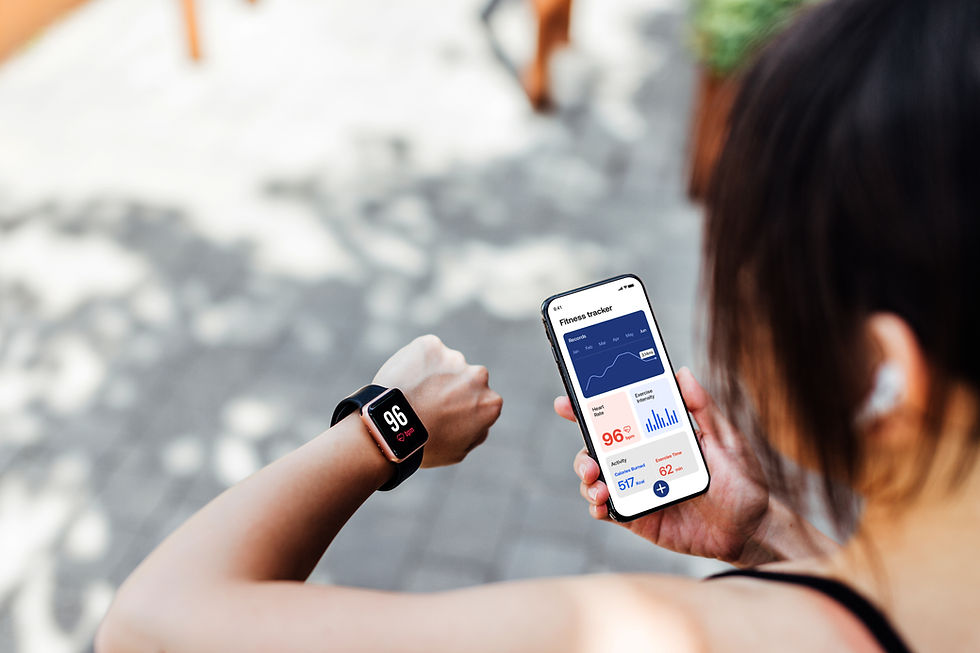
Will a ban get children moving again?
A social media ban, on its own, will not automatically make children more active.
It will not repair unsafe streets. It will not reopen closed youth clubs. It will not make sport affordable for families under pressure. It will not create more green space, improve public transport, train more coaches, rebuild school sports, or provide young people with safe places to go after school. But it could create space.
It could help reset expectations about when children enter the social media world. It could support parents who currently feel they are fighting a losing battle against peer pressure. It could give schools clearer boundaries. It could reduce some of the constant noise, comparison and distraction that follows young people through the day. And, most importantly, it could force a wider conversation about what we want childhood to look like.
If children are spending less time on social media, what are we inviting them into instead?
That is where the sport, leisure, physical activity, education, youth, health and community sectors become essential. The answer cannot simply be “less screen time”. It has to be more life. More movement. More connection. More nature. More creativity. More confidence. More safe spaces. More trusted adults. More opportunities to belong.
The offline world has to compete.
One of the uncomfortable truths in this debate is that social media has become so powerful partly because the offline world is not always accessible, affordable or welcoming enough.
For many children and young people, especially those living in communities with fewer resources, the phone is not just entertainment. It is where friendships happen, where identity is explored, where support is found, where creativity is expressed and where opportunity can begin. Social media can help young people learn new skills, build confidence, discover interests, follow role models, campaign for causes, access information and feel part of something bigger than their immediate surroundings. We should not dismiss that.
Digital platforms have opened doors for young people who may not feel confident in traditional environments. They have enabled creativity, entrepreneurship, activism, learning, peer support and community building. For young athletes, dancers, coaches, creators and young leaders, social media can be a platform for self-expression and opportunity. For some young people who feel isolated, it can provide a connection that they may not find locally.
A balanced response must recognise these benefits but it must also ask whether children are being given the maturity, support and protection needed to navigate those spaces safely. Digital skill is not the same as digital wisdom. Being able to use an app does not mean understanding how algorithms work, how data is monetised, how advertising is disguised, how misinformation spreads, or how online behaviour can affect mental health, relationships and future opportunity.
That is why the next step cannot simply be a ban. It has to be education.
Parents and guardians need support, too.
Much of the responsibility for managing children’s digital lives has fallen on parents and guardians, many of whom are trying to navigate a world they did not grow up in.
They are expected to understand privacy settings, age restrictions, gaming chats, direct messages, livestreaming, influencers, AI-generated content, online bullying, screen time tools, group chats, image sharing, harmful content and the social consequences of saying “no” when every other child appears to be online.
That is a lot to carry.
If the Government is serious about protecting children, parent and guardian education should become a national priority. Families need practical, non-judgemental guidance that explains not only what the risks are, but also how to talk to children about them. They need support to set boundaries early, manage devices at home, protect sleep, encourage offline activity and understand when online behaviour may be affecting wellbeing.
This should not be about blaming parents. It should be about giving them the confidence, language and tools to act before problems become entrenched.
Schools also have a role, but they cannot do this alone. Community organisations, sports clubs, youth services, leisure providers, health professionals, libraries, charities and local authorities could all help create a more joined-up approach to digital wellbeing and active childhoods.
Does the ban go far enough?
The honest answer is that it depends on what comes next.
A ban may set a clearer boundary, but it does not fully address the design of platforms. It does not, by itself, tackle addictive algorithms, harmful recommendation systems, influencer culture, commercial pressure, online advertising, data harvesting or the speed at which new platforms emerge. It may also push some young people towards less regulated spaces if enforcement is weak or if the safer alternatives are not attractive enough.
There are also legitimate concerns around privacy and age verification. Protecting children online should not create a new system of surveillance or expose families to unnecessary data risks. The detail will matter.
So yes, the ban may be an important signal. It may help shift the culture. It may support parents. It may delay exposure to some of the most harmful parts of the online world.
The deeper challenge is not simply keeping children off certain platforms until they are 16. It is helping them build the confidence, resilience, judgement and habits they need before they enter those spaces. It is also making sure their lives away from screens are rich enough to compete.

A moment for the sport and physical activity sector.
For the Why Sports community, this debate should be seen as an opportunity and a responsibility.
If we believe physical activity improves mental health, builds confidence, reduces isolation, supports learning, strengthens communities and gives young people a healthier relationship with themselves and others, then this is our moment to show what that looks like in practice.
We need more accessible sports and activities for teenagers, not just younger children. We need youth-led programmes that feel relevant, social and welcoming. We need green and blue spaces that are safe, inclusive and easy to reach. We need schools, clubs and community organisations working together so that every child has somewhere to go, something to do and someone who notices when they stop turning up.
We also need to understand that young people’s digital lives are not separate from their physical lives. The two are now deeply connected. Social media can be used to promote activity, share stories, celebrate role models, connect communities and open up pathways into volunteering, coaching, employment and leadership. The challenge is to use digital tools with purpose, rather than allowing them to dominate childhood by default.
The real test.
The social media ban matters because it forces the country to confront a bigger question.
What do we want children and young people to grow up with?
More pressure, comparison, isolation and distraction? Or more movement, friendship, confidence, nature, creativity, belonging and opportunity?
The ban may help create a boundary. But boundaries are only useful if there is something better on the other side.
That is why the next phase must bring together government, parents, schools, technology companies, health professionals, local authorities, sport, leisure, youth organisations and communities. We need safer digital spaces, better education, stronger platform accountability and a much richer offline offer for children and young people.
This is not about being anti-technology. It is about being pro-childhood. And if we get that right, the prize is much bigger than reducing screen time. It is healthier children, stronger communities, better mental wellbeing, improved physical health, greater confidence, safer relationships and more young people growing up with the skills and opportunities they need to live well.


This is such an important take bans shouldn't shut down dialogue; they should open deeper ones. As a PhD student juggling research and my part-time role at Last-Minute Assignments, I've learned that shutting things down rarely solves anything. My own undergrad years were full of failures I felt silenced by my own doubts. That's why I don't just offer a college assignment writing service uk; I try to ask what's really behind the struggle. Real conversation starts with listening, not legislating. Let's keep talking, keep questioning, and keep showing up for each other. Thanks for this thoughtful post.